
LOCALLY NATIVE PLANTS TO GROW AT HOME,
IN YOUR GARDEN AND ON YOUR PATIO
We are excited to partner with the Silver Lake Neighborhood Council and local plant grower SunMonsters to share plants with our community! These are the plants we shared in January, 2026.
More information will be added to this page soon. Note that California native plants prefer to be planted in “Winter” - which means after the first rain, or November - March.
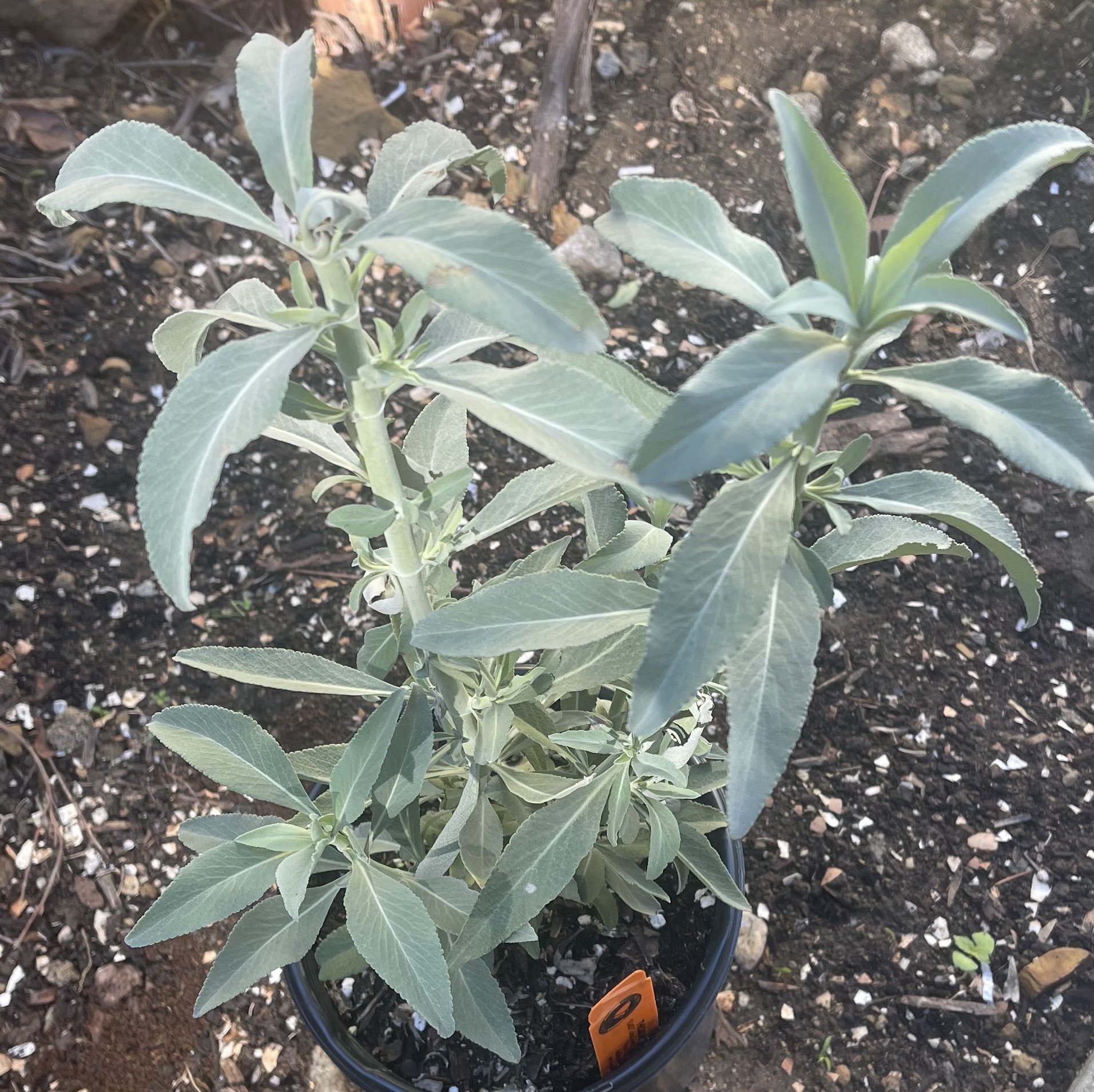
THE DISTINCTIVE GRAY LEAVES AND WHITE FLOWERS OF WHITE SAGE
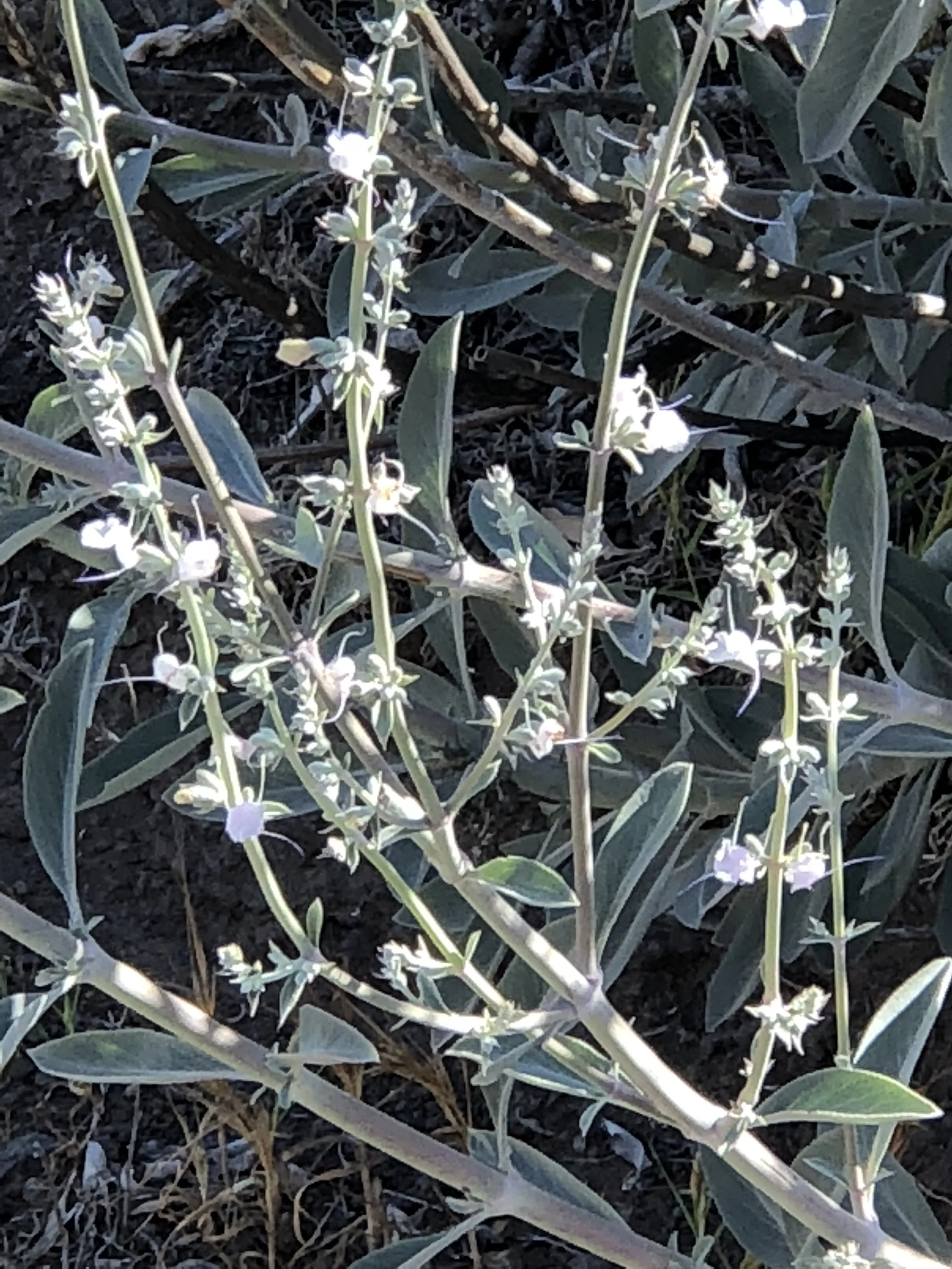
White Sage (Salvia apiana)
White Sage is a large plant (3’+ tall and wide) and fragrant, with silver-white leaves and clusters of white flowers. Young leaves start off green and turn white as they get older. White Sage is a valuable pollinator plant in the garden, is endangered in the wild by poaching, and is an important plant to local Indigenous communities. The small white flowers are a favorite of carpenter bees, bumble bees, and hummingbirds. It grows best in full sun, with little summer water, and light pruning to keep it neat after it blooms.
Canyon Gray Sagebrush (Artemisia californica ‘Canyon Gray’)
This resilient, easy-to-grow shrub thrives in the toughest environments. It's a good choice for dry, sunny, and sloped areas. California Sagebrush is extremely drought adapted; some summer water is optional but not required. A little pruning keeps it compact in the garden. This important coastal scrub plant supports the California gnatcatcher and quail, as well as other bird and insect species. It usually stays low to the ground, about 1’ tall, and spreads to about 4’ wide.
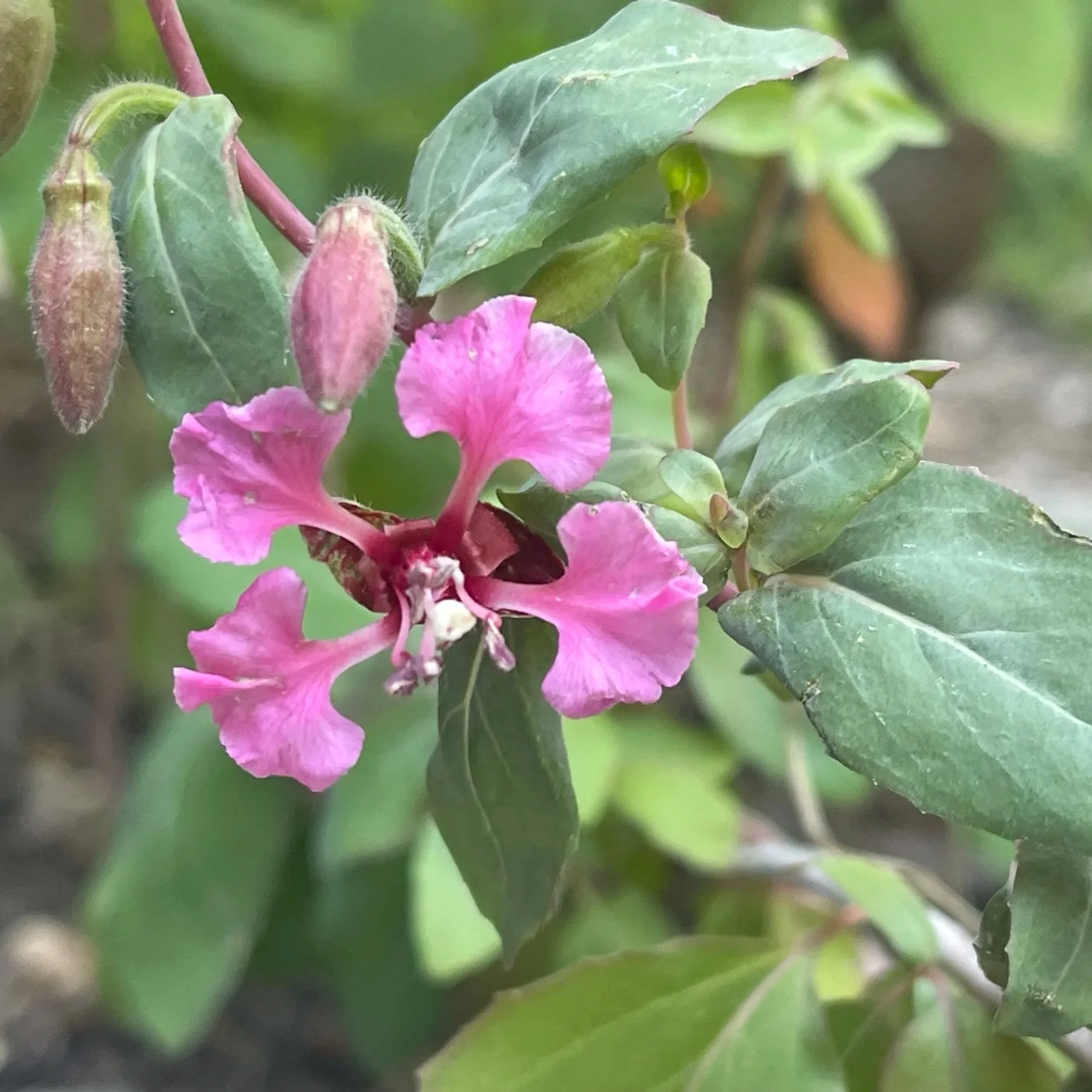
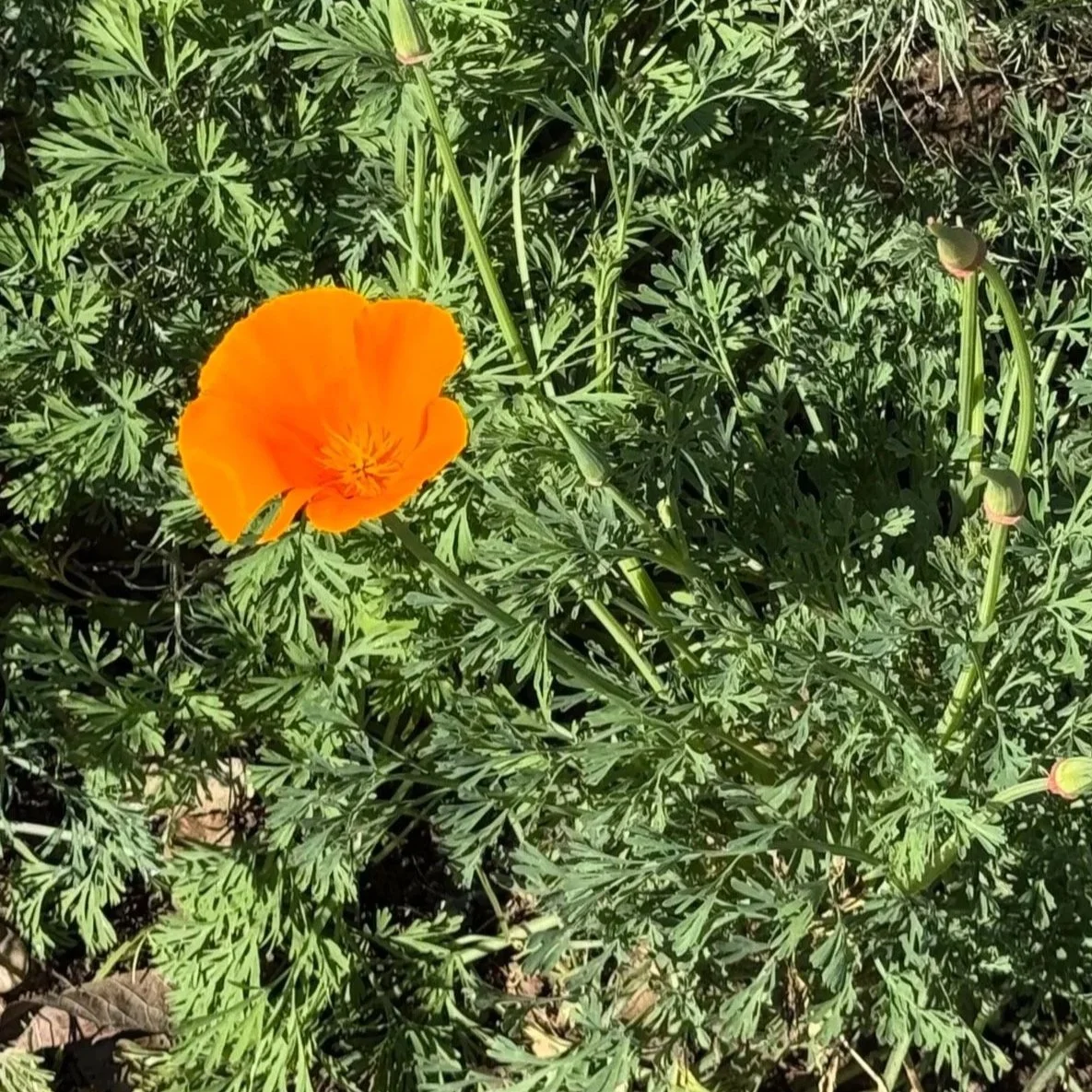
SL Native Wildflower Seed Blend: California Poppy, Elegant Clarkia, Purple Innocence, Birds Eye Gillia & Sticky Monkey Flower
( Eschscholzia californica, Clarkia unguiculata, Collinsia hetrophylla, Gillia tricolor, Displaces aurentiacus)
SEEDS: Scatter over bare earth (after weeding) and press gently into the soil, ideally before a rainstorm.
California poppy, our state flower, likes full sun but will tolerate part shade. It may start blooming here in January, and keep going through the summer and into fall. The seeds are ready to take (to share and spread) when the pods become dry and brown. Birds, butterflies, bees and other pollinators are attracted to this plant. It will die back to the ground in Fall, but don’t pull it up! Leave the deep roots and just trim off dead leaves so it will grow afresh in the next season.
Elegant clarkia quickly grows up to 3’ tall and wide, and doesn’t need water in the summer after it starts growing. Blooms in sun or shade, in various shades of pink. Butterflies, moths, and bees are attracted to its flowers. It blooms in summer, when many wildflowers are finished for the year.
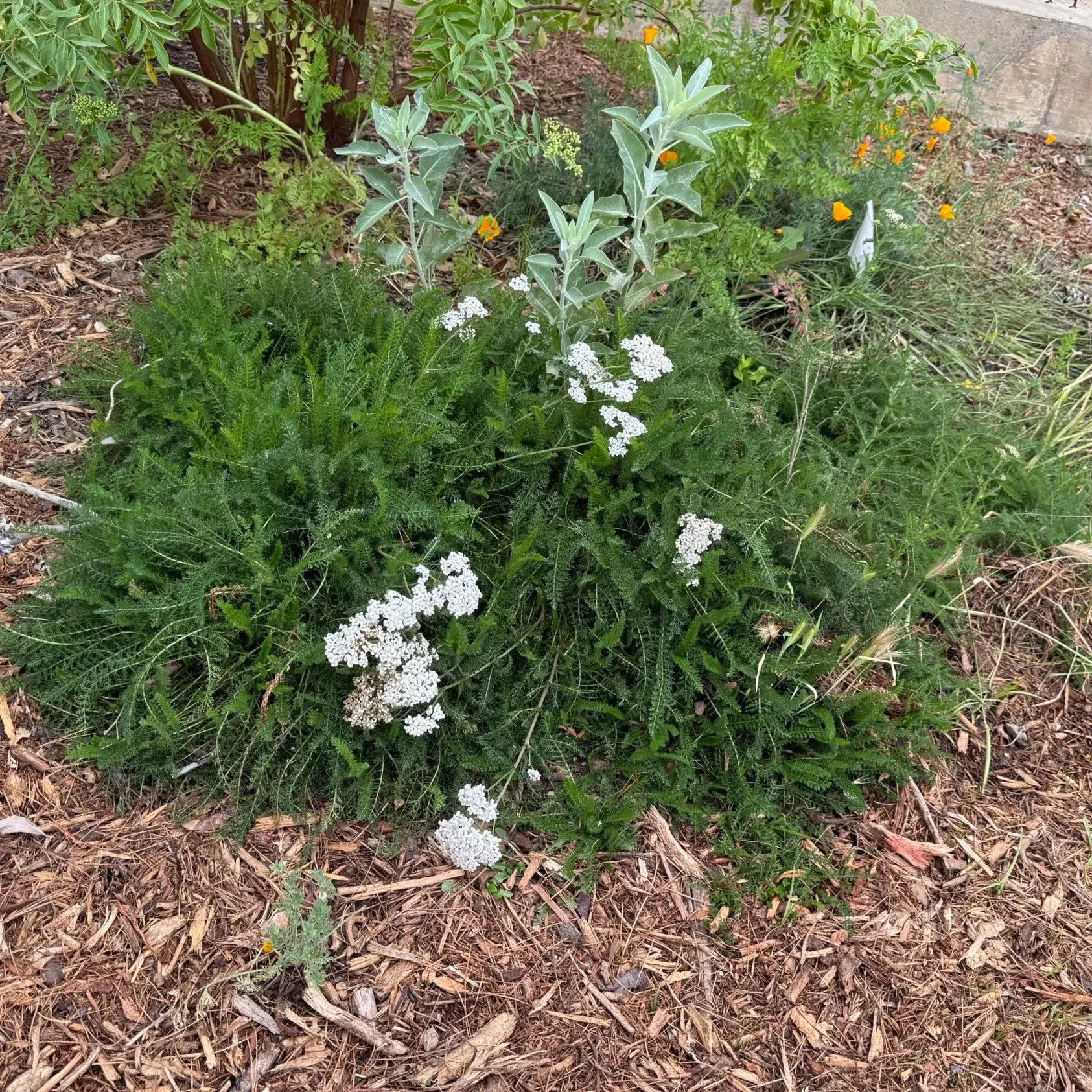
Common Yarrow
Achillea millefolium
Growing 1-3’ tall and just 6-18” wide, this small plant is easy to grow and is a habitat support superstar, feeding both caterpillars and butterflies, bees, birds and even bats! It doesn’t need a lot of water, tolerates full sun and deep shade, and will slowly spread out from its roots. Cut off spent flower spikes to keep it tidy, or pick a few to bring inside as cut flowers. You can also divide it every other year and share or spread it through your garden.
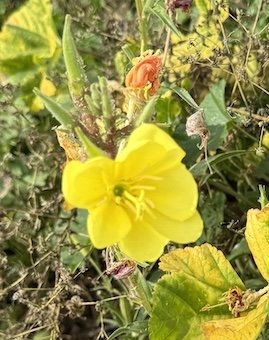
Hooker's Evening Primrose (Oenothera elata)
This plant may spread around your garden, growing to 5’ tall and 3’ wide, and also freely seeding (but easy to pull). It grows fast, blooms Summer through Fall with bright yellow flowers, and is happy in full sun, part shade, and with little water. Many insects are birds love this plant for its nectar and seeds, and it hosts several species of butterflies and moths, including the giant Sphinx moths, so embrace the caterpillars it is feeding!
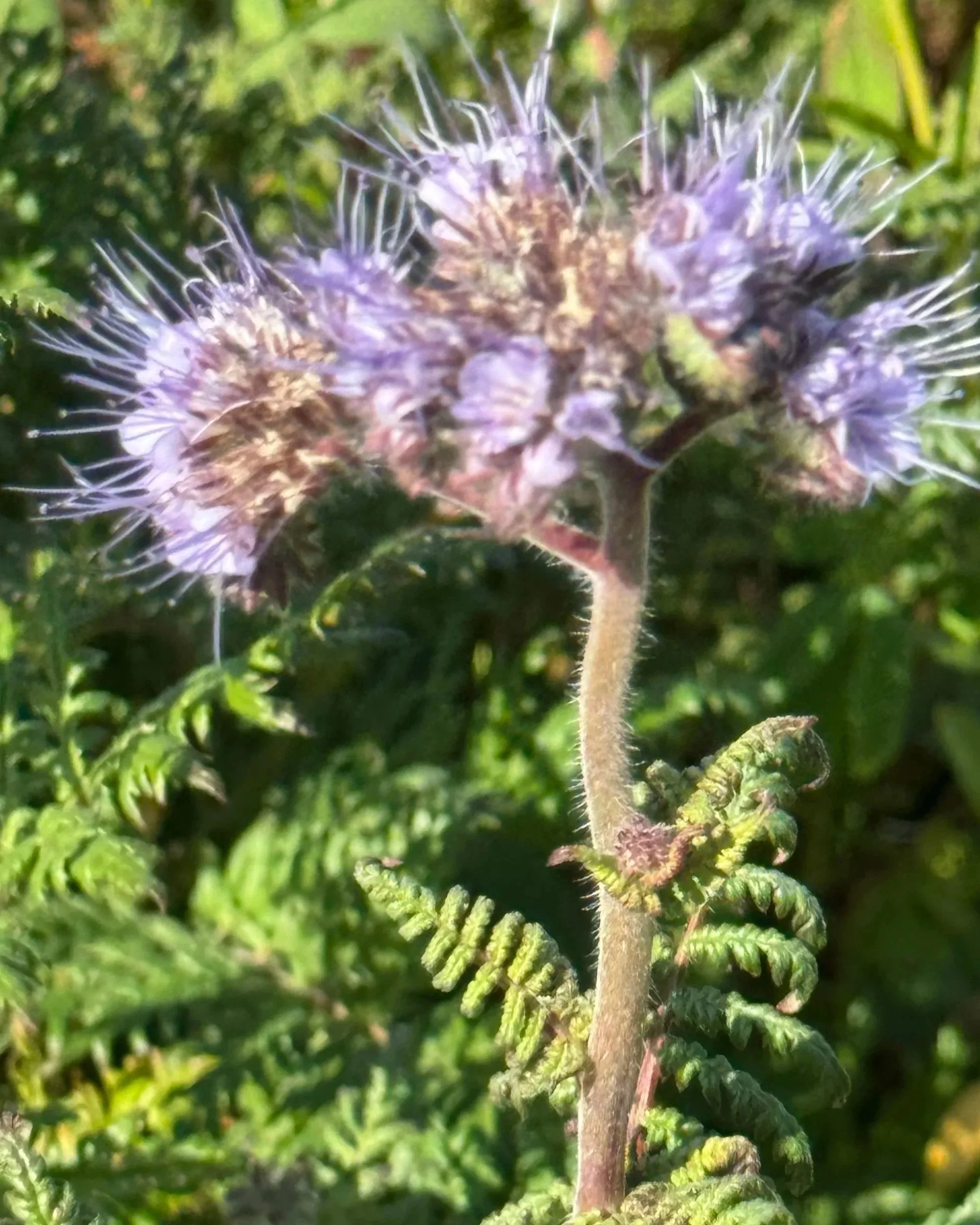
Lacy Phacelia (Phacelia tanacetifolia)
This is a fast-growing annual plant, so leave the flowers and let it reseed itself in your garden. It will do best in full-sun with good drainage (sunny hillside!) and will attract pollinators so plant it near your vegetables and fruit trees. Some people may get some skin irritation after touching this, so handle with care (and gloves) and plant it away from paths, but it is a beautiful cutting flower, too.
(not included in our seed blend or shared as plants, but we will be reseeding this around the Reservoirs!)


